

Maintain security and compliance.
Patch Management
Minimize the exposure window and enhance the organization's overall security posture.
- Home
- IT SOLUTIONS
- PATCH MANAGEMENT
What is patching or patch management?
Patch management is the systematic process of identifying, testing, deploying, and installing software patches (or updates) to computers and other endpoints connected to the enterprise network. These patches are crucial pieces of code designed to fix existing bugs, resolve vulnerabilities, introduce new features, or enhance the overall security of software systems.
With the rise of remote and hybrid work environments, efficient security patch management has become increasingly vital. Modern patch management solutions incorporate automation, artificial intelligence, and machine learning to predict vulnerabilities and streamline the patch deployment process. This approach helps in minimizing the window of exposure and enhances the overall security posture of the organization.
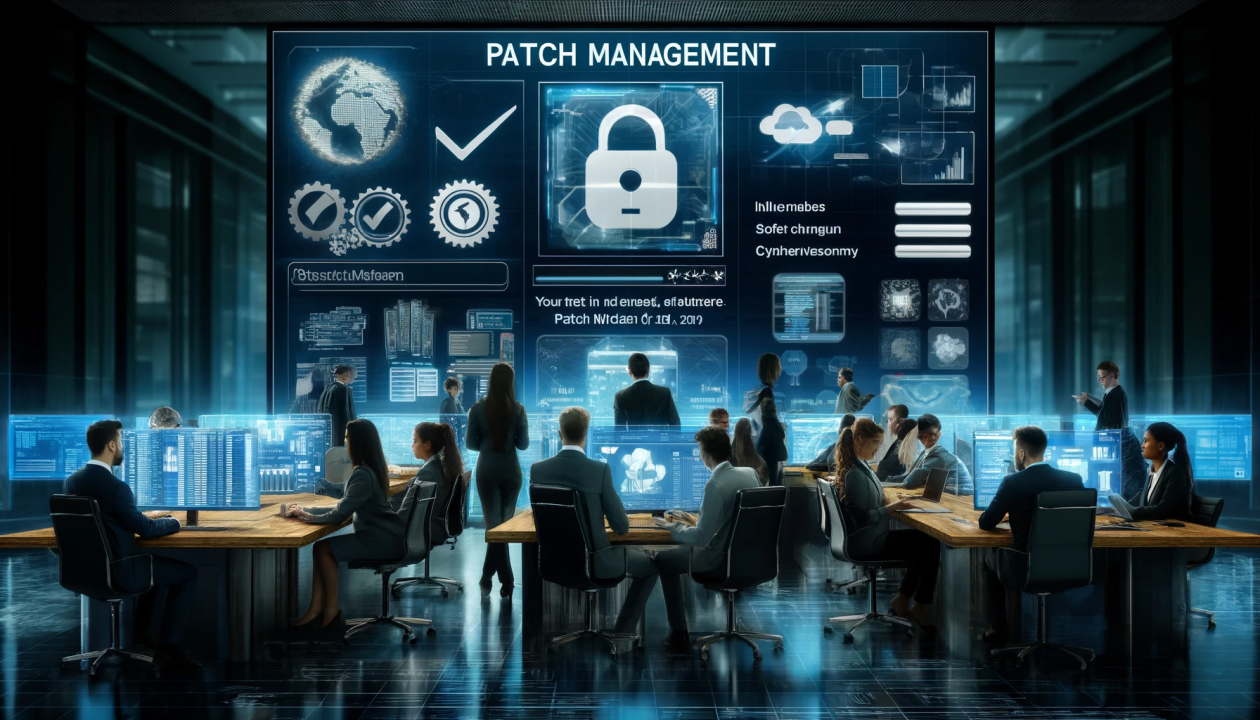
Patch Management Lifecycle
The patch management process, often referred to as the patch management system, encompasses several key stages
Scanning
Detecting computers and devices within the network that require updates.
Testing
Evaluating patches in a controlled environment to ensure they do not negatively impact existing systems.
Deployment
Applying patches manually or automatically using advanced patch management tools.
Installation
Ensuring patches are correctly installed across all necessary devices.
Audit and Reporting
Generating reports to verify high compliance levels and identifying areas needing improvement.
Documentation and Compliance
Documenting system changes before and after patching is a tedious but essential compliance task.
Types of Software Patching
Now that we have a basic idea about what is patch management, let’s dig in deeper. There are various kinds of patches, each tailored to suit specific needs and address specific issues. While some are designed for bug fixes to enhance security, others add features to the software. Patches can be broadly classified into the following three categories:
- Security patches: Security patch management, i.e. the process of deploying security patches to address security vulnerabilities in the software, drivers, and other related components helps secure it from being exploited by vulnerabilities and other threat actors.
- Bug fix patches: Bugs in software can range in severity from minor to critical. Bug fix patches ensure that the software is up to date with the latest, bug-free version.
- Feature update patches: Feature update patches introduce newer features and functions to software. In addition, they also enhance performance, making software faster and more efficient.
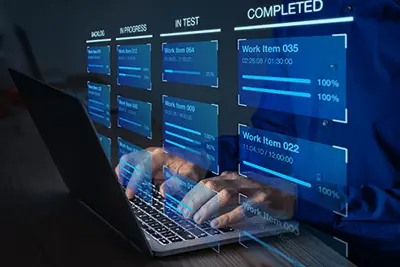
Why is patch management important?
1
Preventing security breaches
Software patch management or software patching is one of the most important IT tasks in any organization, as patches fix vulnerabilities in the software and applications, keeping cyberattacks at bay. When left unpatched, software and operating systems can put your organization on the path of severe security breaches.
2
Ensuring compliance
With cyberattacks on the rise, regulatory agencies have taken drastic measures to keep enterprises in line with compliance mandates. An integral part of a proper patch management strategy is to ensure that all the endpoints in an organization adhere to compliance standards.
3
Downtime prevention
Ransomware attacks and other cyber threats not only result in data breaches but can also cause system downtime, which in turn affects the productivity and revenue of any organization. Systematized patch management ensures the endpoints are updated and secure, thereby preventing downtime due to security breaches.
4
Feature updates
Besides providing security and bug fixes, patches also introduce new features and functions. This improves usability and enhances the end-user experience.
Why Choose CodeRedOne Patch Management Solutions?
CodeRedOne's Patch Management Solutions is solving the headache of managing multiple devices across our network by providing real-time monitoring and automated patch management. It keeps your systems up-to-date and secure without constant manual intervention, which means fewer fires to put out and more time to focus on strategic IT projects.